Totally Rad (1991)
Developed by: Aicom
Published by: Jaleco
Released in: NA, EU, JP
People who create media – be it video games, movies, music, or anything else – are always trying to set social media alight with the next big viral something. The most organic means is by making something that’s legitimately fun/interesting, and watching as passionate people spread it around to all of their friends via word of mouth. What’s better than free advertising, right? But what kind of humble Harry has time to sit around hoping for success to stumble upon them like that? By using things like market research, focus testing, an ad campaign in just the right place, and a little bit of luck, anybody with disposable income can guarantee that their something will be a guaranteed success!
Nah, just fuckin’ with you. If hitting that golden vein was that straightforward, we’d all be sitting pretty on our thrones made of cash, and I’d be getting paid out the wazoo to play Nintendo games all day. Instead, I’m doing it for free like some kind of idiot.
Because even big-time corporations can find success to be ever so elusive (New Coke continues to be the butt of jokes to this very day), no one truly knows how to pin the formula down. What some integrity-less companies decide to do, then, is to try cashing in on fads. What are kids going gaga for right now? What’s going to make those little gremlins pester their parents to take them to the nearest toy store in the hopes of snagging themselves the hottest new something?
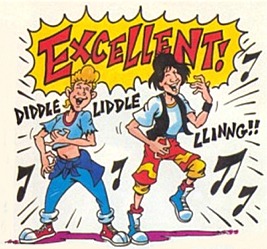
Near the time of Totally Rad‘s release, that something was Bill and Ted. The movie about two slacker dudes going on a time-travelling journey proved to be most excellent. They were also genuinely good movies, which always helps something make it to the big leagues. Like any popular thing of the time, Bill and Ted spawned their own line of cereal, comic books, a Saturday morning cartoon, toys as far as the eye could see, trading cards, and anything else a youth aged 6 to 12 would want in their hot little hands. Righteous!
So now that we’ve set the scene, let’s get back Totally Rad. Picture it: it’s 1990. You work at Jaleco – not the biggest games company on the block, but no slouch, either. Without warning, the Top Brass™ burst into your cubicle. They drop an unmarked Nintendo cartridge in your lap. They tell you it’s a game about a little boy who can use magic. “Figure out how to sell it to American youths,” they murmur as they leave your office as quickly as they came, like a shadow passing in the night. You are left to your own devices once again, Nintendo cartridge in hand. What’s a grunt like you to do?
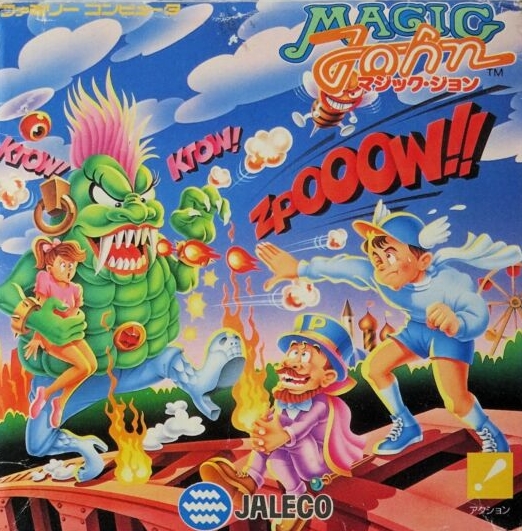
Totally Rad was released in Japan as Magic John a year prior. The Famicom title had a cutesy anime artstyle… something that was a big no-no for video games of that era. Anime was an extremely niche, underground hobby in the west that, at that time, only the hardest of the hardcore enthusiasts knew about; anything of that nature that slipped through the cracks and actually made it into the American consciousness would be heavily chopped and screwed to ensure no one could trace the thing in question back to its Japanese roots – Robotech is beloved by a generation, but is also an animated example of such a butchering. The anime boom of the 2000’s was a far-off dream at this point, so games with a distinctly Japanese style were often heavily altered in the same way to become more palatable for the average American consumer.
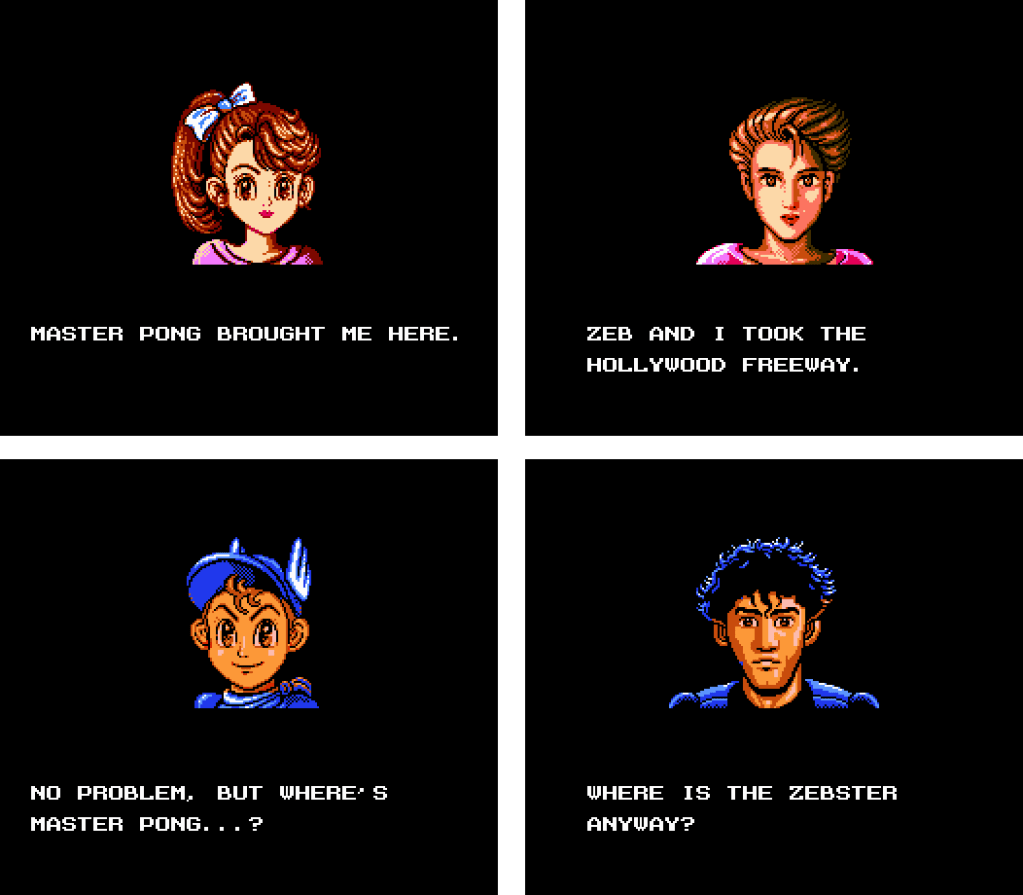
Let’s jump to Jaleco, circa 1990, brosef. You stare on in horror as you watch the opening cutscene to Magic John play in front of you; this isn’t something little Timmy would want to purchase. There’s nothing awesome about a regular little kid obtaining magic powers, and there’s certainly nothing marketable about his goofy winged cap and his big ol’ bug eyes! No, it needs to be cool! It needs to be, dare I say… rad!
And so, with some sprite tweaking and script rewriting later, Totally Rad was born from the ashes of Magic John. Jaleco decided to lean HARD into the surfer dude attitude that was oh-so popular in that moment; even the entire manual is written in the lingo, which is a hilarious touch. Whoever penned that manual was having some real fun with it; they even slipped a photo of their girlfriend into the mix!

As hilarious as all of this would prove to be, ultimately, it was a decision that secured Totally Rad a spot in the Nintendo Hall of Shame, despite multiple reviews from the time expressing how much they enjoyed the game. Doing a quick search of Totally Rad today will net you a mountain of posts from droves of mid-2000s “angry reviewers” belittling the game – not for the quality of the game itself, but for its terribly dated reskinning. Bummer.

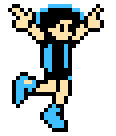
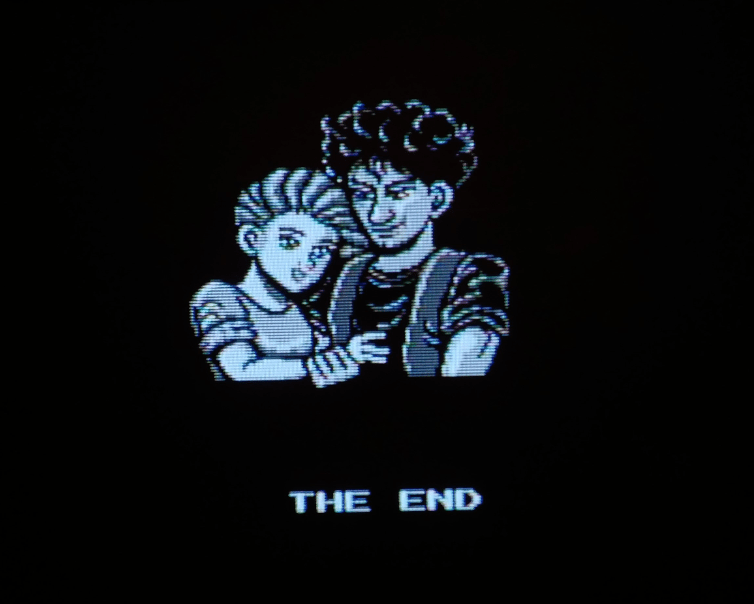
So Totally Rad is about “a most unprecedented regular dude” (the manual’s words, not mine) named Jake. Jake’s got a smokin’ hot girlfriend, apparently, and the two of them hang around some weird old magician named Zebediah Pong. Zeb teaches the two some “totally rad magic” (again, the game’s words, not mine), and then there’s a big guy with a sword that kidnaps the girlfriend and the girlfriend’s dad, which prompts Jake to go on his bogus journey. The plot isn’t important, but the cutscenes are funny for how much they reek of what was considered cool at the time. If you want to have a laugh at the expense of that poor Jaleco employee, Youtube a quick playthrough of the game and enjoy.
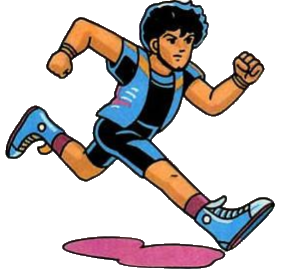
The localization of Totally Rad has outlived the legacy of the game it’s attached to, so I say we give it a fair look. Won’t you join me, excellent people of the world?
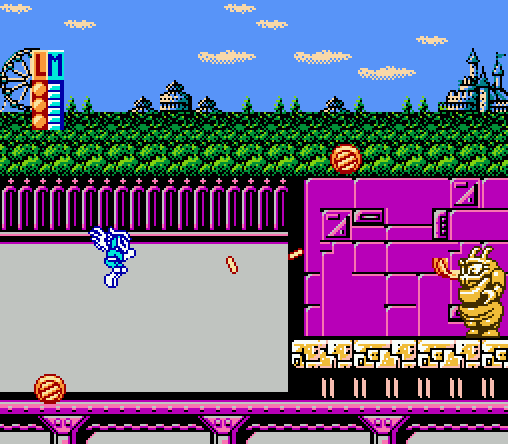
Totally Rad isn’t bad by any means. It’s not going to kick your ass with how “rad” it is, but it is pretty gnarly. The game plays like a Mega Man wannabe, but Totally Rad is not as smartly designed as its more successful distant cousin. Big, wide open levels feel as though they were intentionally made to encourage the player to proceed through them slowly; there are no time limits, enemies that bombard you, or anything else to pressure you into moving quickly. I’m a massive Mega Man fan myself, so my first instinct was to try and blaze through Rad like you would one of the blue bomber’s outings… and my ass was grass before I knew it. Changing gears and taking the slow and steady approach made the game much, MUCH easier, but doing it this way elongates the playtime to several hours instead of the single hour it feels like it was meant to be. Levels tend to drag on and on and on, to the point of frustration, and dying sets you back to the start of the level (which are split up into “acts”). The soundtrack isn’t exactly a highlight either, so you’ll be hearing the same 15 second loop of music throughout the sloooow level progression. Gag me with a spoon.

But those are the negatives. Let’s talk about the good bits! Totally Rad has some real standout graphics; it’s one of the few NES games to boast parallax scrolling, and the detail in those backgrounds is pleasing, with some nice animations to go alongside them. The colour palettes are something else, and the animations on the enemies are cool, too. The visuals department gets a well deserved A+ for this one.
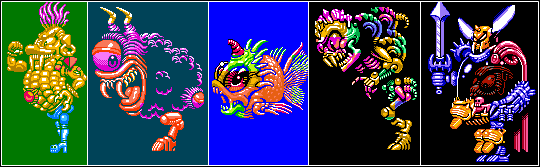
The absolute highlight of the game by a mile, in my opinion, is the boss fights. Consisting of five bizarrely designed creatures that take up the entire screen, they’re real spectacles to behold. How many other games feature gogo boot wearing cobs of corn, or strange purple people eaters with eyeballs up their assholes? None that I’m personally aware of, but the world is a funky place, so who knows. The final boss also made me say “wow” aloud, as his design was surprisingly cool.
Something else that’s pretty rad is that you’re given every power-up from the word go – as opposed to Mega Man where you need to earn each new power by defeating bosses, Totally Rad equips you with an arsenal of transformations, healing spells, and screen-wide attacks right away. You also have some defensive spells, but who the hell cares about those? A downside to this design choice, though, is that there aren’t any powerups or collectables at all in the game; as you’ve been given more than enough powers to fend for yourself, the lack of pick-ups only adds to how uninteresting exploring the levels can be. Bogus!
All in all, Totally Rad is, to quote the protagonist, most decent. You could definitely do worse on the NES as far as action games go, and it’s reputation as some kind of crapfest is definitely undeserved. But it’s not without faults, so unless you’ve played every single Mega Man-like game out there and are dying for one more, or you’re a fan of goofy translation efforts like I am, it can be a bit tricky to recommend. All the same, it won’t hurt to give it a spin and see if you like it for yourself. Who knows, my guy? You might be, like, way surprised. Fer sure.
Initial Interest Rating: 5/10
Final Score:

 NESJunk
One thought on “Totally Rad (1991) Review: Gnarly, Dude”