

Final Fantasy on the NES is pretty cool. There are a few elements to the first entry in the prolific series that may feel a bit antiquated by today’s standards, but by and large it’s still a fun game that’s worth checking out today. As is the case with many games, there’s a lot of interesting trivia and tidbits surrounding Final Fantasy and its development that even the most diehard FF fans might not be aware of. I recently finished the NES edition of the game, and thought it would be fun to round up eight lesser known facts surrounding the first Final Fantasy for your reading pleasure.
1. The English localization prototype
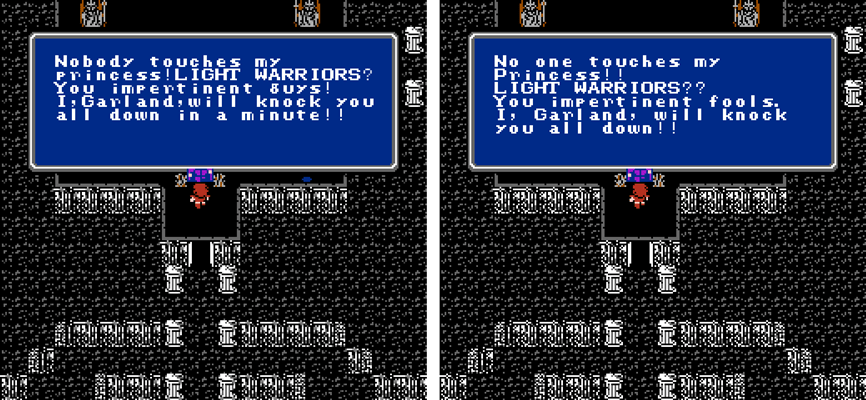
Back in 2020, the Hidden Palace released an early localization prototype of Final Fantasy for the world to pick apart. It provides some fascinating insight into the localization process, as well as a rarely seen look at such an iconic game in its early stages. For example, the standard 80’s/90’s Nintendo of America censorship hadn’t entirely been implemented yet, so churches are still aplenty. There are tons of spell name, enemy name, and even class name differences peppered throughout; not to mention that there’s too many dialogue changes to get into here. If you’re someone who knows the game inside out or is fascinated by the development process of your favourite games, you’ll have a field day combing through and sniffing out differences in this cool find.
2. The Forgotten Final Fantasy manga
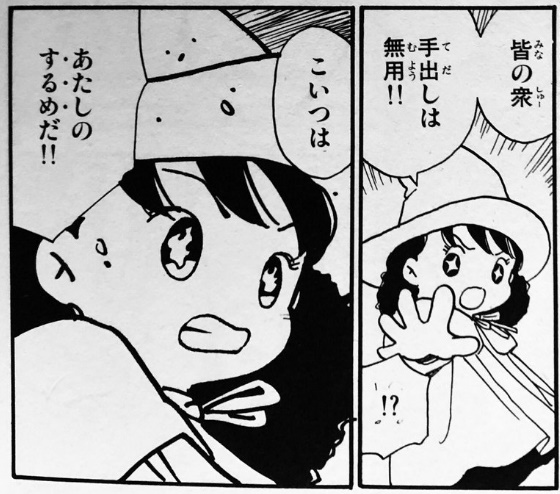
Despite Final Fantasy’s wild popularity the world over, there have been very few manga adaptations that directly re-tell the games story. The first entry in the series had a manga series dedicated to it, however; 1987’s “Final Fantasy” by Yu Kaimeiji. This version differed drastically from the game in more than a few ways – one major example being the handling of the witch Matoya. While Matoya has always been portrayed as a wise old woman, in this manga, she’s a little girl who’s terrified of heights for some reason. She also just so happens to be one of the four Warriors of Light. Huh? Here’s a bonus fact: there was going to be a manga adaptation of Final Fantasy II by the same author, but Square cancelled it once Kaimeiji had produced sixty pages worth of the story. Maybe they pulled the plug because FFII is an especially depressing and gloomy game, but Kaimeiji decided to bring the little girl interpretation of Matoya back into the mix…and used her to replace Guy, one of the game’s three main characters. I’ve said it before and I’ll say it again: huh?
3. Nobuo Uematsu wrote “Prelude” in ten minutes

“Prelude” made its debut in the very first Final Fantasy game, and has appeared in every mainline game of the series since. It’s a song that’s become iconic amongst not just FF fans, but the world of video games alike, with it even being played at the 2020 Olympics. As it happens, Final Fantasy I through X composer and absolute legend Nobuo Uematsu whipped the song up in just ten minutes! Says the man himself: “I remember during the final stages of development of FF1, there was a sudden last minute request by Sakaguchi. ‘Hey, I want some music to go in HERE. It’s of Utmost URGENCY!’ which upon given that order, I hurriedly conjured something in 10 minutes. Actually it’s quite embarrassing as I NEVER expect that tune to span over 10 sequels!”
4. They ported Final Fantasy HOW many times?
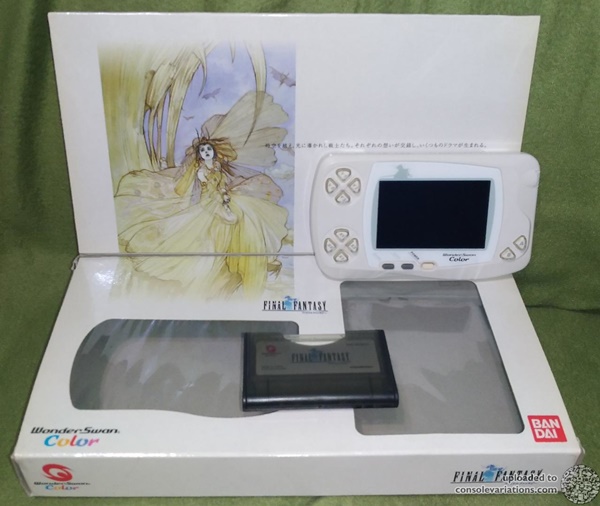
Final Fantasy has made its way onto a lot of platforms. Including the NES original, the game has been remade and ported a grand total of fourteen times; that’s almost as many versions of the game as there are mainline Final Fantasy titles! For the curious, the full list of ports goes like this: NES (1987), MSX2 (1989), WonderSwan Color (2000), Playstation (2002), i-mode (2004), Game Boy Advance (2004), EZWeb (2004), Yahoo! (2006), PSP (2007), iOS (2010), Android (2011), Windows Phone (2012), Nintendo 3DS (2015), and PC (2021). Note that this is only unique ports, and not simple re-releases of the game that slapped a pre-existing ROM onto an e-shop (such as the Wii’s Virtual Console). You certainly can’t call the first Final Fantasy inaccessible!
5. The Mana connection
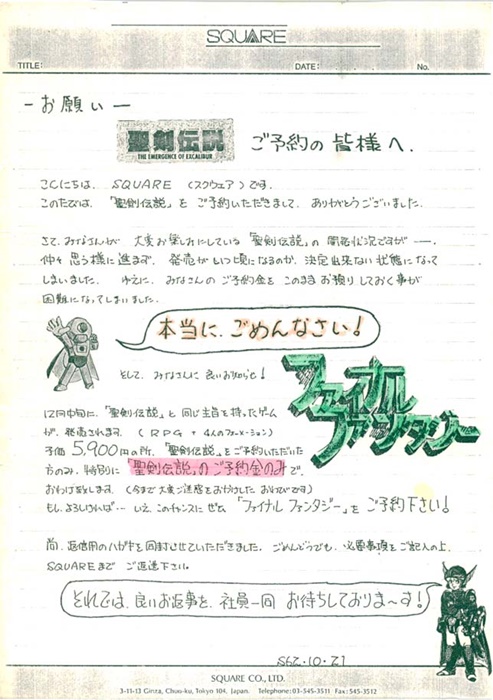
Seiken Densetsu (known as the Mana series in English) was originally set to get its start on the Famicom Disk System back in 1987. Titled Seiken Densetsu: The Emergence of Excalibur, the game was set to be a whopping five disks in size, and promised to span several generations worth of characters and gameplay. By the way, Hironobu Sakaguchi was working on this game as a staff member as well. At the time, Square was teetering on bankruptcy and couldn’t keep up with the level of ambition Seiken Densetsu was trying to bring to the table, and cancelled the game before much work could be done on it. Thanks to their financial woes, Square had jumped headfirst into soliciting pre-orders of the game despite having almost nothing to show of it, which meant they had some ‘splaining to do once the cancellation was finalized. Staff members sent out handwritten letters to those who had pre-ordered Seiken Densetsu which, alongside an apology for the cancelled game, included what was essentially a sales pitch for a certain other title…
“In the middle of December, a game will be released with the same gist of Seiken Densetsu (an RPG with a 4-character party) for 5,900 yen. […] If you would like–no, by all means, please take this chance to reserve Final Fantasy!”
6. Buggy spells galore

Bug testing is arguably the worst part of game development, especially for small teams who can’t possibly catch every oopsie in the countless lines of code. Final Fantasy was no exception to this, and shipped with more than a few unintended quirks peppered into it; spells, in particular, got hit hard by bugs. For example the spells TMPR, SABR, and LOCK are utterly useless and have no effect whatsoever, despite the programming team obviously intending otherwise. LOK2 actually helps enemies instead of hindering them, giving them a 20% boost in evasion when used. It’s not all bad, though; the spell HEL2 is a great boon for your Warriors of Light when used in battle, because it heals almost twice the amount intended. Score!
7. Yoshitaka Amano nearly missed out
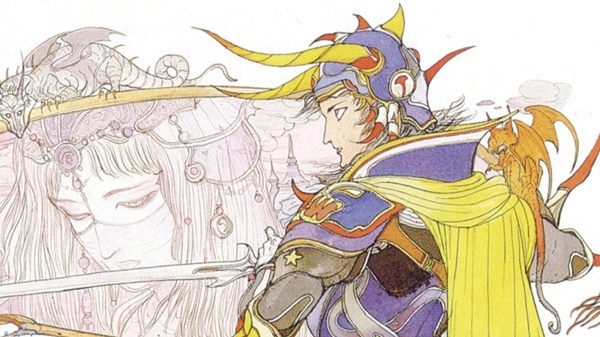
There were a lot of close shaves surrounding the first Final Fantasy, weren’t there? When the idea to hire the legendary artist Yoshitaka Amano was initially pitched by Seiken Densetsu creator Koichi Ishii, Sakaguchi swiftly rejected the notion, calling him an unknown:
“Sakaguchi: When the staff were looking for an artist who would suit the game well, Ishii said, “I think Mr. Amano would be a good fit.” Even though I was reading “Guin Saga” at the time, I didn’t recognize Amano’s name for some reason. I rejected him by saying, “I have no idea who that person is!” However, when I opened the book and searched myself, I found an amazing picture. When I said to Ishii, “This is it!” he said “…Mr. Sakaguchi, that’s Amano.” (laughs).”
8. Sakaguchi almost didn’t make the game at all

These days, Hironobu Sakaguchi can be found chilling out and crafting on Final Fantasy XIV. However, he came extremely close to leaving the video game industry altogether back in the 80’s, thus almost depriving the world of such an incredible series. When Square shifted focus from the mature PC market to the kid-friendly Famicom, Sakaguchi nearly said goodbye to all of that and went back to college. Story heavy games like those he worked on during Square’s PC era were his true passion, and he felt thoroughly dissatisfied having to make so many action titles. Square refused Sakaguchi’s many requests to work on an RPG as they didn’t think there was a market for them on the Famicom, frustrating him even further. As luck would have it, the first Dragon Quest took Japanese school kids by storm, thus opening up a window of opportunity for Sakaguchi to pitch the idea of an RPG to the higher ups once more.
And the rest is history…

 NESJunk
2 thoughts on “8 Obscure Facts About the First Final Fantasy”