

Arcana • カードマスター リムサリアの封印
Console: Super Nintendo Entertainment System
Developed by: HAL Laboratory
Released in: JP, NA
Length: 8~12 hours
Difficulty: 7.5/10
HAL Laboratory took time out of their busy schedule of developing Kirby and Mother games to make a quirky little RPG for the Super Nintendo: 1992’s Arcana.
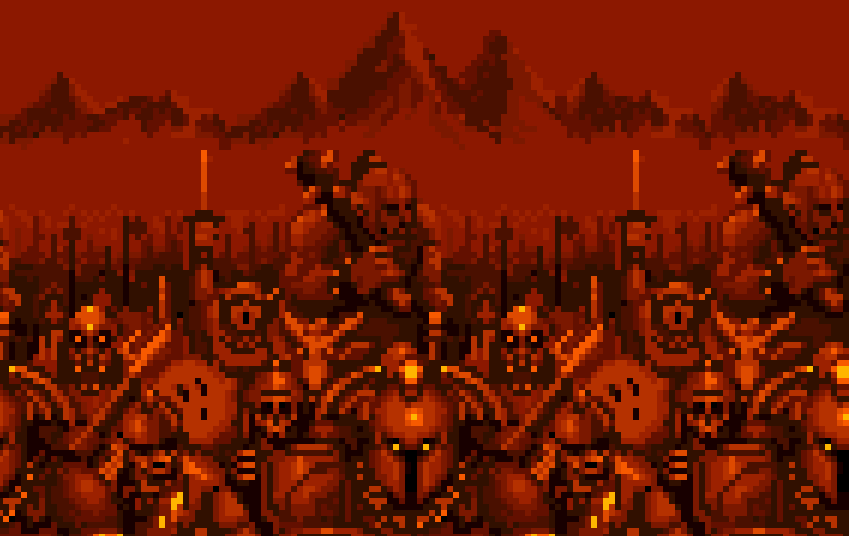
You play as Rooks, a boy who is the last survivor of a race of “Card Masters”; people who can draw magic powers out of magic cards most magically. In case the title wasn’t a dead giveaway, Arcana’s entire aesthetic is themed around cards. The stylistic choice is one of the game’s absolute highlights; everything from NPCs to monsters to treasure chests you find along the way are depicted as cards to be flipped over or torn in half when defeated. It’s an interesting touch, and definitely one that helps Arcana differentiate itself from the gaggle of JRPGs the Super Nintendo saw pass through its doors.

The gameplay consists of slow first-person dungeon crawling and traditional turned based JRPG fare for the battles. Most early games in the dungeon crawling genre rely on the plucky player to draw up their own maps on paper to avoid getting hopelessly lost (or to Google decades old MSPaint renditions if you’re not one for authenticity), but Arcana makes exploring its labyrinths a damn sight more palatable by the fact that this 1992 game features honest to god auto-mapping! Shock and awe! It’s wonderfully convenient to be able to stop and re-calibrate yourself in the middle of that dungeon you’ve been toiling your way through for the last 3 hours without feeling the need to restart from the beginning.

With that said, I wouldn’t say this is exactly the title to use as your introduction dungeon crawling games, because it’s tough as a leathery boot… thanks to one design choice. For reasons I’ll never understand, it’s annoyingly customary in many an RPG to have it so if the protagonist dies in battle, it’s an automatic game over; obnoxious, but commonplace enough to not be surprising. Arcana, though? Arcana took that trope and thoroughly emasculated it, because if any of your characters die, your ass gets thrown back to the title screen faster than you can say “go fish.” There are no save points outside of towns either, just as an extra kick in the teeth to make whoever plays it feel even more hopeless upon losing.
However, I’m of the opinion that the consequence of death being so unforgiving is a plus in the game’s favour. That combined with having limited ways to heal yourself helps add a pulse pounding sense of urgency to battles, and puts an emphasis on how well you can manage your resources and keep yourself alive before having to turn tail and head back into town for a restock of supplies.

Something else of note is that the translation of this game is, to be nice about it, one of the worst I’ve ever seen in my whole ass life. The dialogue is rife with bizarre sentences that don’t make a lick of sense, which makes the story and character interactions pretty tough to figure out. Doing a bit of digging, I found that the JP game was released on March 27th of 1992, and the English version sometime in May of the same year. Bear in mind that this was long, long before the days of simultaneous releases of games in other languages and regions being common practice; up until the mid-to-late 2000’s, you were lucky if you only had to wait a year to play the hottest new game from Japan. So I can only surmise the poor people who were tasked with localising the thing had a grand total of five minutes to fine-tune a sprawling Japanese script into something somewhat legible for the North American audience.
Thanks to the rushed translation, I can’t really make heads or tails of the game’s story segments, but there’s not much to miss out on, either. There’s an evil empress who is very evil, I can assure you, and she needs to be defeated for some reason. That’s where you come in. That’s about all there is to it. Not every RPG has to have a plot that rivals Lord of the Rings. Sometimes you just wanna hit stuff with a sword without thinking too hard about it, and that’s okay.
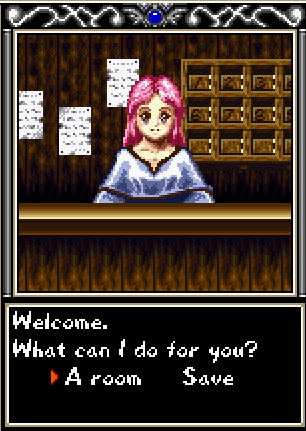
All in all, Arcana is an interesting shuffle of good and bad, of interesting concepts and unrefined choices all thrown into one bubbling pot and given a big ol’ stir. Despite being rough around the edges, I still enjoyed it a surprising amount; it was nice to just relax and mindlessly plug away at some dungeons to keep myself entertained for an hour or so a day. While it might not be a total royal flush, it sure is one of a kind.
Final score: 7/10

 NESJunk